
You can’t have a discussion about cloud computing in Malaysia without a heated debate on security and risk.
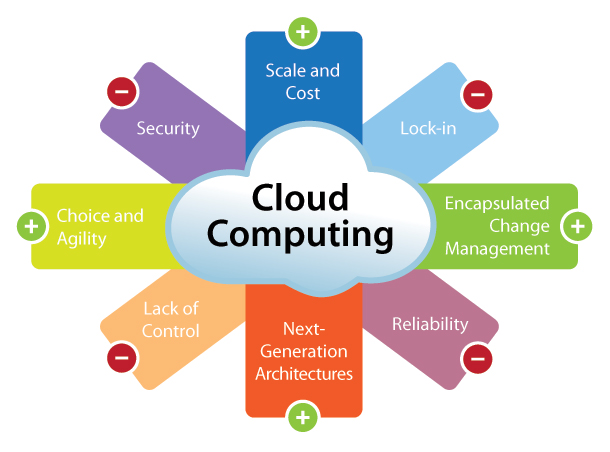
Image from http://ebizresults.com/what-is-the-cloud/
I have observed 2 root causes of the debate;
1. The cloud democratises large scale enterprise capability coupled with the ability to buy-as-you-need, even small businesses can now leverage on sophisticated enterprise grade IT. In the past, business could get away with low level talent enabling just basic IT services such as accounting, payroll and email. Now in this cloud enabled world of endless useful applications and networks like Facebook, sales force and google apps, even small to medium businesses are able to innovate and have IT capability on par with the global multinational titans. So a gap emerges, while the business units of a company can contract and outsource IT services equivalent to their larger counterparts, they don’t have access to the talent of these behemoths do to plan processes, policies, data governance, integration, architecture and security to manage this level of risk and exposure. The connected world is a two-edge sword, enabling unparalleled access to markets and communities while also increasing exposure to those with malicious intent. So companies can buy services on the cloud but not management. What is missing for Malaysian customers already sold on the commercial benefits of the cloud is someone they can trust and rely on to map their journey and steps to slowly migrate to this opportunity to get more with less.
2. Much of the IT leadership in the Malaysian corporate scene is dominated by technology management rather than actual information and intelligence. The former is the trusted resource to design, build and operate technology to provision assets to achieve limited information and automation goals but the later is a timely asset with an emerging demand. This new breed of CIO equipped with the latest technology and data science know-how and is ready to provide actionable insights to the business to gain a competitive advantage or address new market opportunities. Many vendors selling the cloud attempt to use language that resonates with the later but are selling components that still need to be pieced together by the former. So they end up running up against the wall of vested interest because they are asking the quarter master to reduce his/her scope.
I don’t have an all encompassing mitigation strategy at this point in time, but I suspect the solution will begin from driving more popular apps that will appeal to end users and providing more and more solutions on a Software As a Service or Business Process As a Service coupled by data integration services that will not leave users feeling siloed on your apps. Think about it, what kind of platforms and app stores can you build in your vertical industries that the current technology will enable, economically and securely.

 Leon Jackson