
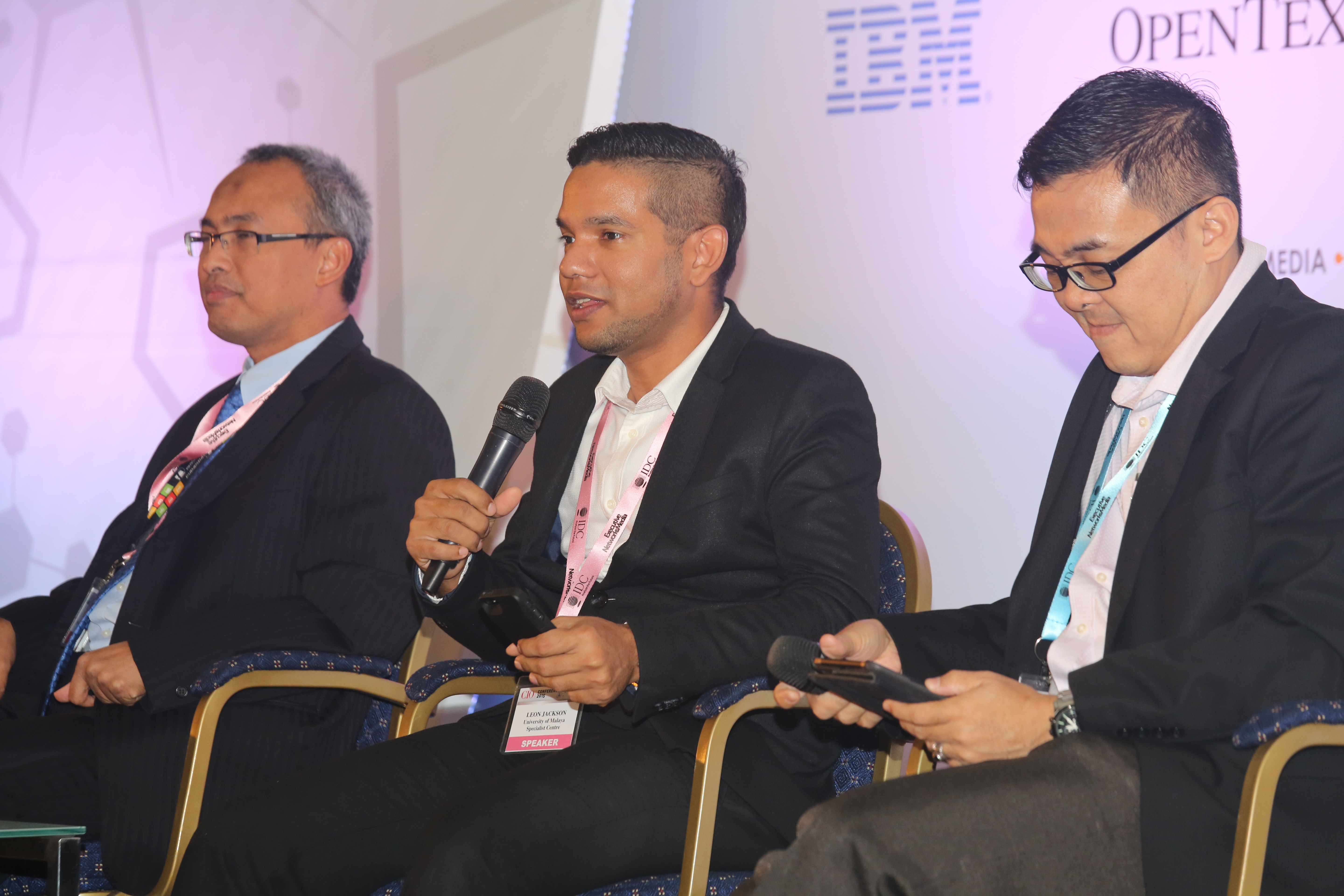
Speaking at IDC CIO Magazine Conference 2015. We had an interesting dialogue on the challenges we face and if we are becoming obsolete
I will be on the debate team at the CIO Magazine Conference on the 23/04/2015.
The question will be; “Soon, CIOs will become only operational and it will be the CXOs that will be the technology decision-makers!” Agree or Disagree?”
Here is how I plan to answer;
Saturation of IT
1. IT is a way of life, digital immigrants are still alive but the concept of migration has passed
2. Consumer IT is now more important then Enterprise IT because people bring their talent, capital and assets with them to work and much of these are embedded in some sort of IT
3. The concept of an IT specialist is quickly becoming archaic and somewhat quaint
4. In a sense connectivity, data and processing will become a utility like water and electricity, and no one will care how it reaches them, they will only complain when it doesn’t and try to get away with paying as little as they can
Software Engineering and Computer Science
1. Behind the utility there is serious science to keep the flow efficient, relevant and secure
2. Some services eventually will be recognised as critical national infrastructure and funded from the public coffers
3. Others will be platforms on which SAAS and BPAAS will keep being rolled out to create new opportunities for revenue
4. No matter how popular the notion of democratisation and decentralisation of IT becomes, there will always be a real science and engineering behind it that differentiates the professionals from the rest and the challenge will be one of funding from these talent and services
Evolution of the CIO
1. Some CIOs are purveyors of information and counsellors to the King – the one who knows where to find the answers and anticipates the questions. This type will always be needed and will strengthen themselves with data science and big data. Their also the type likely to move on to be CEO or be chosen to be an acting one when CEOs need to be replaced.
2. Some CIOs are operational mavens and lubricants of process – these will make the transition to be COO.
3. Some CIOs are covert business development and strategy generals – these will enjoy the new world of social and marketing possibilities and move on to be the new generation of CMOs. Marketing is a discipline that will soon transition from art to science and when it does, it will have more IT running it. For example, Google is the world’s biggest advertising firm by revenue today.
4. Some CIOs are seen as witch doctors, the ones who understand tech and deal with those impossible and socially inept programmers. These guys are at risk for loosing scope and value. Some in highly technical industries, will always be needed and may change their title to CTO to better reflect their role.
Who will choose Technology
1. I think its a given that as technology becomes popular and less mysterious, many other stakeholders apart from IT will want to be part of the decision and it will no longer be the sole domain of the CIO
2.The CIO though must continue to play the role of architect, making sure the company chooses technology that is efficient, relevant and secure


 Leon Jackson